









I’ll be honest — I went into this Taste of the Wild dog food review expecting another case of clever packaging hiding average kibble. The wolf-and-wilderness branding is everywhere, and after a while, every “ancestral diet” brand starts to blur together. But after going through the ingredient panels, checking recall history, and reading through way too many owner reviews at 1am, I came away with a more nuanced take than I expected. Here’s what actually matters if you’re considering it for your dog.
Where This Brand Came From
Taste of the Wild has been around since 2007, made by Diamond Pet Foods. The pitch is straightforward: dogs came from wolves, so feed them something closer to what a wolf would actually eat. That means real meat first, no corn or wheat filler, and proteins you don’t see on every shelf — bison, wild boar, roasted duck, venison.
It’s not a boutique brand you’ll only find at a specialty pet store either. You’ll spot it at Walmart, Chewy, Amazon, your local feed store — basically everywhere. That accessibility is honestly a big part of why it’s become such a popular middle-ground option between the $20 grocery store bag and the $90 fresh-food subscription.
What’s Actually in the Bag
Pull up the ingredient list on any Taste of the Wild formula and the first thing listed is almost always a named animal protein — bison, lamb, venison, whatever the specific recipe is built around. That’s already a step above a lot of competitors that lead with “meat meal” or something vaguer.
Past the protein, you’re looking at:
Sweet potatoes and peas doing the heavy lifting for carbs and fiber. Tomatoes, blueberries, and raspberries thrown in for antioxidants — not a huge amount, but enough to matter. Probiotics added after the kibble is cooked, so they actually survive the process instead of getting destroyed by heat. And fish meal or canola oil supplying the omega fatty acids for skin and coat.
No corn, wheat, soy, or artificial preservatives. That’s consistent across the line.
Now, here’s the part a lot of reviews gloss over: grain-free food has been under an FDA microscope for a few years now because of a possible connection to dilated cardiomyopathy (DCM) in dogs — a heart condition. Nothing has been definitively proven, and plenty of vets will tell you the data is still murky, but it’s not something I’d bury in a footnote. If your dog has any heart history, or you’re just cautious by nature, bring it up with your vet before switching.
Protein and Calories — The Numbers
Most formulas sit around 28-32% protein and 15-18% fat, which puts it right in line with other premium brands, not dramatically higher or lower. Calories run about 370-400 per cup depending on the recipe.
That fat percentage is worth paying attention to if your dog isn’t especially active. A few owners I came across mentioned their dogs packing on weight faster than expected after switching, which tracks — this isn’t a low-calorie food, and free-feeding it is a fast way to end up with a chunky dog. Measure portions, don’t just eyeball it.
What Real Owners Are Actually Saying
Reading through owner feedback, a pattern showed up pretty quickly.
The people who like it really like it. Shinier coats, firmer stools, dogs acting more interested in mealtime — especially dogs coming off cheap grocery-store kibble. A few owners with dogs that had mild grain or chicken sensitivities said the switch noticeably cut down on itching and scratching.
The complaints cluster around two things. First, the usual stomach adjustment period — loose stools, some gas — during the first week or two, which is pretty typical with any high-protein switch and usually settles down if you transition gradually instead of dumping the new food in cold turkey. Second, and this one surprised me a bit: a handful of long-term buyers mentioned inconsistency between bags. Different smell, slightly different kibble size, that kind of thing. Not a dealbreaker, but worth knowing if you’re planning to buy this long-term and expect total uniformity.
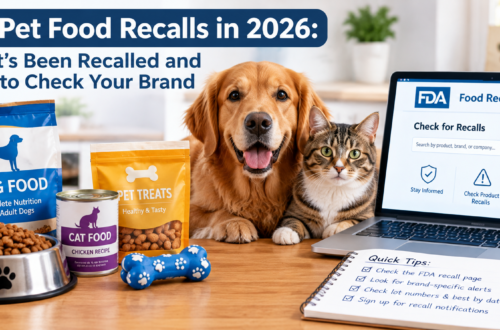
One more thing I think is fair to mention: Diamond Pet Foods, the company behind this brand, has had recalls in the past — salmonella contamination in one case, vitamin D toxicity in another. Their quality control has reportedly tightened up since then, but if recall history matters to you (and it should, for any brand), it’s worth signing up for recall alerts regardless of what you feed.
Is It Actually Worth the Money?
A 28-pound bag typically runs $50-$65 depending on where you buy it and which formula you pick. That’s more than something like Purina or Pedigree, obviously, but noticeably less than ultra-premium brands or fresh-food delivery services.
For what you’re getting — named protein sources, no fillers, reasonable nutritional stats — the price feels fair rather than inflated. It’s not the cheapest grain-free option out there, but it’s not trying to compete with $90 boutique bags either.
Who Should Actually Buy This
Based on everything above, this food tends to make the most sense for:
Active dogs that can handle and burn off the higher protein and fat content. Dogs with mild sensitivities to chicken or common grains. Owners who want a grain-free formula without paying boutique prices for it.
It’s probably not the best fit for dogs that gain weight easily, dogs with any cardiac history (given the ongoing DCM questions), or owners whose vet has specifically recommended a grain-inclusive diet for other health reasons.
My Take
Taste of the Wild isn’t flashy, and it’s not trying to be the most expensive thing on the shelf. What it does well is deliver real protein sources and a clean ingredient list at a price that doesn’t feel like a stretch. The recall history and the grain-free DCM debate are real considerations, not reasons to panic — but they’re worth knowing rather than discovering after the fact.
If you’re switching, do it slowly over a week or two, keep an eye on your dog’s weight since the calorie count runs a bit high, and loop in your vet if your dog has any existing health issues. Beyond that, for a lot of dogs, this ends up being a genuinely solid middle-ground choice — better than what’s on the bottom shelf, without the price tag of the brands sitting at the top.

SEO Agency is a team of SEO professionals and digital marketing experts sharing practical insights on SEO, content marketing, technology, business, health, and lifestyle. Our goal is to publish accurate, well-researched, and user-focused content that helps readers make informed decisions.




One comment on “Taste of the Wild Dog Food Review: What I Found After Digging Into the Bag”