









Nobody gets excited about buying black shorts. There’s no thrill to it, no “wait until you see this” moment when you show a friend. And yet I’d bet the pair sitting in most people’s drawers gets worn more than half the “exciting” pieces they bought instead. That’s the whole irony of a good basic it’s boring to shop for and indispensable to actually own.
I went down a bit of a rabbit hole figuring out what actually separates a black short that earns its spot in rotation from one that ends up at the bottom of a drawer. Turns out it’s not really about the color at all black is black. It’s everything else.
Rise Changes the Whole Outfit, Not Just the Fit
This is the first thing to actually think about, and it matters more than most people give it credit for. High-rise shorts sit at or near the natural waist and tend to create a longer leg line, which is part of why they’ve dominated the last several years of casual fashion. Mid-rise splits the difference a bit more forgiving, a bit less committed to a specific era of trend. Low-rise is having its moment again depending on who you ask, but it’s the pickiest of the three to actually style well without it looking dated in the wrong way.
If you only own one pair, high-rise is the safer long-term bet. It pairs cleanly with a tucked-in top, works under a cropped jacket, and doesn’t require nearly as much thought to make look intentional.
Length Is Doing More Than You Think
Short shorts, bike-short length, Bermuda-length just above the knee these aren’t interchangeable, and picking the wrong one for what you actually need is the most common mistake I see people make with this piece.
Shorter lengths read more casual and more weather-appropriate for actual summer heat, but they’re also the ones most likely to feel out of place the second the occasion shifts even slightly more formal. Bermuda-length shorts have quietly become one of the more useful “in-between” options long enough to feel a little more put-together, still clearly casual, and genuinely more office-adjacent than anything shorter if your workplace has any kind of relaxed dress code.
If you’re buying with versatility in mind rather than a specific outfit, something landing mid-thigh tends to split the difference best not so short it feels restrictive in where you can wear it, not so long it starts reading as more of a skort or a cropped pant.
Fabric Decides Whether These Are “Nice” or “Just Around the House”
Black shorts made from a structured fabric a heavier cotton twill, a tailored blend read considerably more polished than the same silhouette in a soft jersey or cotton-spandex knit. That’s worth knowing before you buy, because the fabric alone can shift a pair of shorts from “errands” territory to “could genuinely wear this to dinner” without changing anything else about the design.
Tailored shorts with a bit of structure and maybe a crease down the front do a lot of quiet heavy lifting if you want a pair that can go from a casual daytime look to something slightly dressier with just a different top. Softer, more relaxed fabrics are better suited to genuinely lounging or working out, and trying to dress those up usually doesn’t land the way you’d hope.
What to Actually Check Before Buying
Fit through the hip and thigh matters more with shorts than with most other bottoms, mostly because there’s no length left to smooth anything over the way a longer pant would. If they’re pulling or riding up within the first ten minutes of wearing them, that’s not going to improve with a different top it’s a fit issue, not a styling one.
Pocket depth is a small detail that ends up mattering a lot in daily life. Shallow pockets that can’t actually hold a phone without it threatening to fall out get annoying fast, and it’s one of those things you genuinely won’t notice while trying something on in a fitting room mirror, only once you’re actually wearing them out.
A little bit of stretch in the fabric even in a more structured pair tends to make a real difference in how long you’re comfortable wearing them, especially if you’re sitting for extended periods.
Styling Them So They Don’t Look Like an After thought
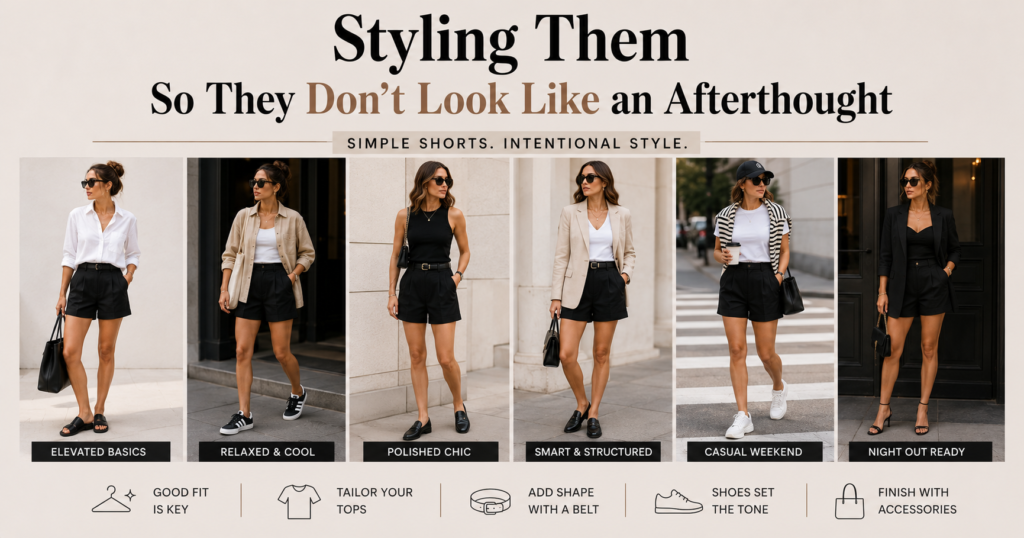
The easiest way to elevate black shorts is contrast in texture rather than color. A structured black short with a flowy, lightweight top reads more intentional than pairing them with something equally casual and boxy. Tucking in a top even loosely does a lot of the same work a cropped jacket does with any bottom: it creates a visible waistline instead of letting everything hang flat.
For anything slightly dressier, a blazer over black shorts is a combination that’s become a genuine styling staple, especially the cropped variety, since the shortened length keeps proportions balanced rather than adding bulk on top of an already-short bottom.
Who Actually Gets the Most Out of Owning a Pair
Honestly, almost everyone, which is exactly why this piece keeps earning its spot as a basic rather than a trend. The real answer isn’t about body type so much as lifestyle if your days involve any mix of casual and slightly-dressier moments, a well-chosen pair of black shorts in the right rise and length ends up doing more outfit-building work than almost anything flashier you could buy instead.
The Bottom Line
Black shorts aren’t exciting to shop for, and that’s exactly why people underinvest in them. Get the rise and length right for how you’ll actually wear them, pick a fabric that matches whether you want “polished” or “comfortable,” and it turns into one of those pieces you reach for constantly instead of one you forgot you owned.
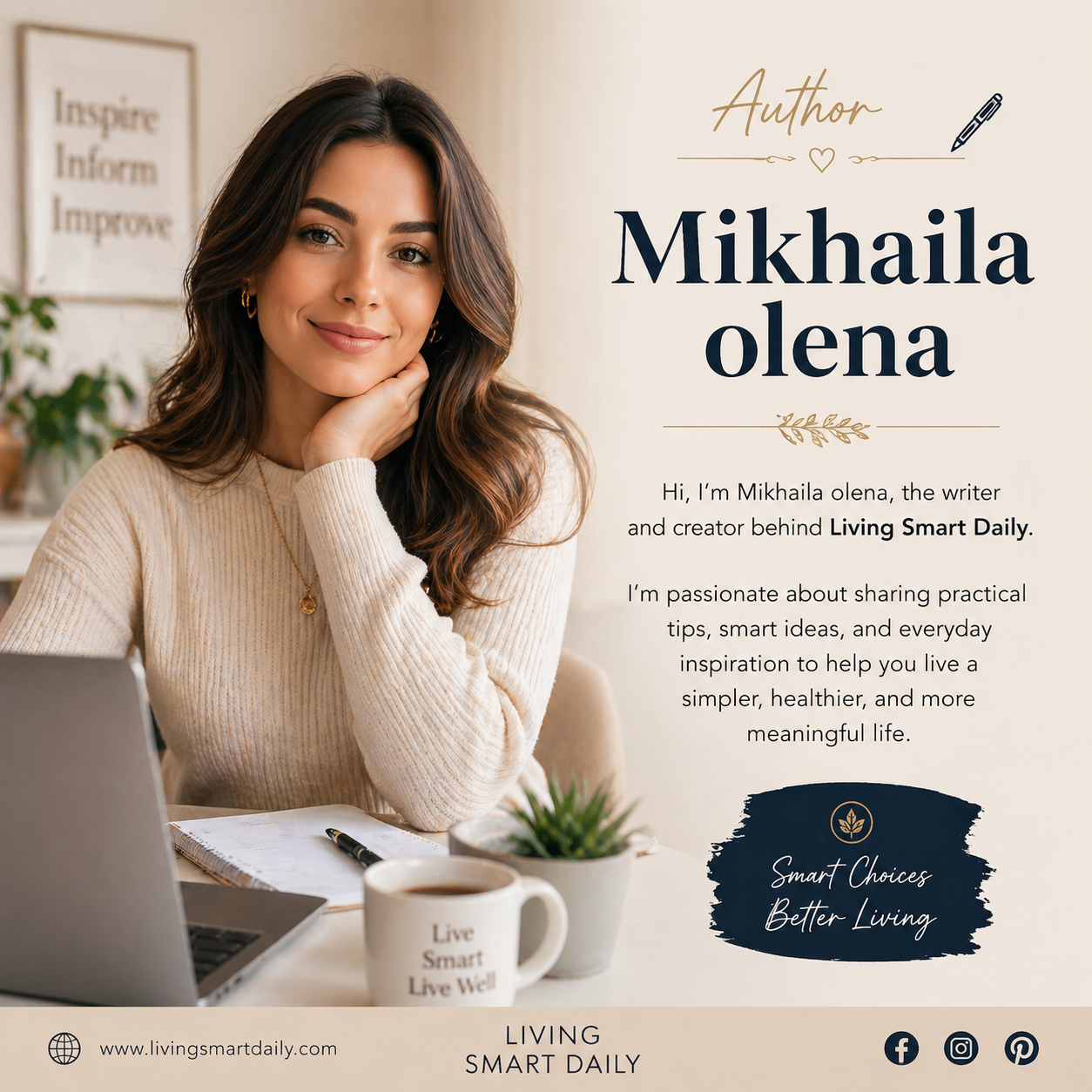
Mikhaila Olena is a lifestyle writer and content creator behind Living Smart Daily, dedicated to sharing practical ideas, thoughtful insights, and everyday inspiration. With a passion for simple living and meaningful choices, she crafts content that helps readers create a more balanced, organized, and fulfilling life.


One comment on “Black Shorts: The Boring Basic That’s Actually Doing the Most Work in Your Closet”