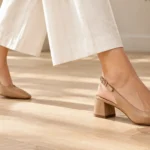
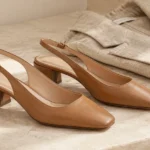






Slingbacks are one of those shoes that look expensive from across the room. The open heel, the thin strap, and the pointed or squared toe make almost any outfit look finished. Zara leather slingback shoes have become a go-to for people who want that look without a designer budget.
But “leather” on a high-street tag can mean different things. This guide covers what to check before you order, how to get the fit right, and how to keep them looking good for more than one season.
What Are Zara Leather Slingback Shoes?
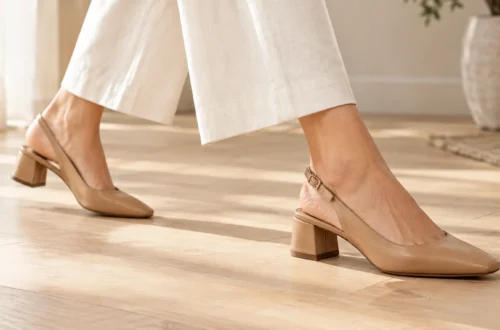
A slingback is a shoe with a closed front and an adjustable strap that wraps around the back of the ankle instead of a solid heel cup. Zara designs them in several heel heights, from flat ballet styles to kitten heels and taller stilettos, and the range rotates every season.
The brand’s leather options usually sit alongside synthetic versions of nearly identical shapes. That’s the first thing to be aware of, because the photos won’t tell you which is which.
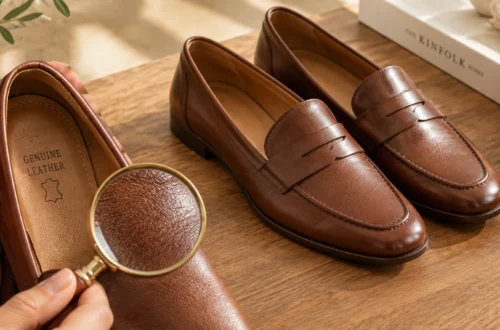
How to Confirm the Leather Is Real
Don’t trust the product title alone. Scroll to the composition and care section on the product page. Zara lists what the upper, lining, and sole are made of, and that small block of text answers most questions.
Look for these details:
- Upper: “Leather” or “100% cow leather” is what you want. “Polyurethane” or “polyester” means synthetic.
- Lining: Leather lining matters more than people think, since it touches your foot all day and molds to it over time.
- Sole: Rubber soles grip better; leather soles look sleeker but slip on wet pavement.
One honest caveat: the label tells you the material, not the grade. Leather at this price point is usually corrected-grain or split leather rather than full-grain, which means it’ll soften and crease but won’t develop the rich patina you’d see on a pair costing several times more. That’s fine, as long as your expectations match.
Getting the Fit Right
Slingbacks fail in a very specific way: the heel slips. The strap is the only thing holding the shoe on, so a half size too big turns every step into a small negotiation.
Here’s what tends to work. If you’re between sizes, go down for a closed-toe leather style, because leather stretches slightly while the strap keeps the heel secure. If you have wider feet, go up and use the strap’s buckle to tighten the back.
Check the strap hardware too. An elastic panel gives a forgiving fit, while a fixed buckle lets you fine-tune but leaves less room for swelling feet on a hot day. [Add your own note here: which size you ordered, how it fit out of the box, and whether you sized up or down.]
Not sure what to wear them with? That’s next.
Styling Zara Leather Slingback Shoes
The good news is that this shape is flexible. Here’s how three common heel heights tend to work:
- Flat or ballet slingbacks suit wide-leg trousers, cropped jeans, and midi skirts. They’re the most walkable option and the easiest to wear to a full workday.
- Kitten heels (roughly 3 to 5 cm) hit the sweet spot for offices. They add polish without the strain of a stiletto.
- Higher heels belong with dresses, tailoring, and evenings out.
Neutral colors such as black, tan, cream, and chocolate brown go with nearly everything. Metallic and patent finishes are fun, but they date faster. If this is your only pair of slingbacks, pick a neutral.
Comfort: What to Realistically Expect
Let’s be straight about it. A slingback isn’t a sneaker. Even a well-made pair needs a short break-in period, and the strap can rub the back of the ankle for the first few wears.
A few things help. Wear them around the house for an hour or two before taking them out. Add a thin gel strip to the heel if the strap pinches. Skip them for a day of heavy walking until you know how they behave.
If a pair hurts badly right away, return it. Leather stretches a bit, but it won’t fix a shoe that’s the wrong shape for your foot.
Caring for Leather Slingbacks
This is where most people lose the value of a good pair. Thin straps wear out first, so treat them gently.
- Rotate pairs. Leather needs a day to dry out from foot moisture.
- Wipe with a soft, slightly damp cloth after wearing, then let them air dry away from heaters.
- Apply a leather conditioner every couple of months to keep the surface from cracking.
- Spray with a protector before the first wear, especially for suede-finish or light-colored pairs.
- Stuff them with tissue or use shoe trees to hold the shape.
- Replace worn heel tips early. A cobbler can do this cheaply, and it protects the heel structure.
Are They Worth It?
For most buyers, yes, with conditions. They’re a good fit if you want a current shape at a reasonable price, you’ll wear them regularly, and you’ll take basic care of them. They’re less ideal if you want shoes that last a decade or you need all-day support.
A useful test: divide the price by the number of times you realistically expect to wear them. If you get 50 or more wears out of a neutral pair, the math works out well.

Mikhaila Olena is a lifestyle writer and content creator behind Living Smart Daily, dedicated to sharing practical ideas, thoughtful insights, and everyday inspiration. With a passion for simple living and meaningful choices, she crafts content that helps readers create a more balanced, organized, and fulfilling life.