








Staring at your closet and still not sure what to put on? You’re not alone. “What to wear” is one of the most-searched phrases in fashion, and for good reason: the right outfit isn’t just about looking good; it’s about feeling ready for whatever the day throws at you.
This guide breaks down the core principles of dressing well, then walks through exactly what to wear for the situations people ask about most.
The Three Questions to Ask Before You Get Dressed
Before you even open your closet, run through this quick checklist:
- What’s the setting? A rooftop bar and a client meeting call for completely different energy.
- Who’s the audience? Dressing for yourself is different from dressing for a first date or a hiring manager.
- What’s the weather actually doing? Not what the forecast says at 7am, but what it’ll be doing at 2pm when you’re outside.
Once you’ve answered those, the outfit almost picks itself.
Build a Wardrobe That Answers the Question for You
The easiest way to never stress over “what to wear” again is to build a small set of reliable pieces that work across situations:
- A well-fitted blazer—dresses up jeans, dresses down a suit
- Dark, straight-leg jeans—the closest thing to universal pants
- A crisp white shirt or blouse—pairs with anything, reads as put-together
- One versatile dress or set of trousers—for when you need to look intentional fast
- Clean, simple shoes in a neutral color—white sneakers or a leather loafer cover most bases
Fit matters more than price here. A $30 shirt that fits your shoulders correctly will always look better than a $300 shirt that doesn’t.
What to Wear for a Job Interview
Aim slightly more formal than the company’s everyday dress code. If you’re not sure what that is, check the company’s social media or ask the recruiter directly; most won’t mind.
- Corporate/finance/law: A tailored suit in navy, charcoal, or black
- Business casual offices: Dress pants or a skirt with a blouse or button-down, and a blazer if you want extra polish
- Startups/creative fields: Nice jeans or trousers with a clean top, maybe a structured jacket
Skip anything wrinkled, overly tight, or heavily scented. Interviewers remember confidence and competence, not your cologne.
What to Wear as a Wedding Guest
The invitation usually tells you what you need to know. No dress code listed? Default to “semi-formal.”
- Daytime, outdoor wedding: Lighter fabrics, florals, or pastel tones work well
- Evening, indoor wedding: Darker colors, more structured pieces
- Never wear: White, ivory, or anything that could compete with the bride; also skip head-to-toe black at very casual or beach weddings, it can read as somber
When in doubt, a knee-length dress or a suit in a mid-tone color is nearly impossible to get wrong.
What to Wear on a First Date
The goal is comfort and confidence, not a costume. Wear something you’ve worn before and know you feel good in.
- Coffee or casual lunch Date: Jeans, a nice top, clean sneakers or boots
- Dinner date: A dress or dressier separates, slightly elevated but not black-tie
- Activity date (hiking, mini golf, etc.): Dress for the activity first, style second
A good rule: if you’re fidgeting with your outfit all night, it’s the wrong outfit.
What to Wear to Work (Business Casual)
Business casual trips people up because it’s genuinely vague. Here’s a simple formula: one polished piece, one relaxed piece.
- Blazer + jeans
- Button-down + tailored trousers
- Sweater + a structured skirt
Avoid anything with rips, graphic logos, or that you’d wear to the gym. Beyond that, most offices have more flexibility than people assume.
What to Wear When Traveling
Comfort is non-negotiable, but you don’t have to sacrifice looking put-together.
- Breathable, stretchy fabrics that won’t wrinkle in a suitcase
- Slip-on shoes for airport security
- A layer you can add or remove as cabin and destination temperatures shift
- A crossbody bag or backpack that keeps your hands free
Pack in a color palette that mixes and matches, so a handful of pieces creates several outfits.
What to Wear in the Rain
Function first, then style.
- A waterproof (not just water-resistant) jacket
- Ankle or knee-high boots with good tread
- Darker colors to hide splashes
- An umbrella that can survive wind, not a $5 one that turns inside out at the first gust
Quick Answers: What to Wear FAQ
What should I wear if I don’t know the dress code?
Slightly overdressed beats underdressed almost every time. You can always remove a blazer; you can’t add polish you didn’t bring.
What colors are safest to wear together?
Navy, white, black, gray, and beige mix with almost anything. Add one accent color at a time until you’re comfortable combining more.
What should I wear to look put-together with minimal effort?
Well-fitted dark jeans, a solid-color top, and clean shoes. It’s a formula that works in most casual and semi-casual settings.
What should I wear if the temperature swings during the day?
Layer. A t-shirt, a light sweater, and a jacket you can tie around your waist or stuff in a bag covers a wide temperature range.
Is it ever okay to wear the same outfit twice in one week?
Yes. Nobody is tracking your outfits as closely as you think, and repeating pieces in new combinations is how a small wardrobe stretches further.
The Bottom Line
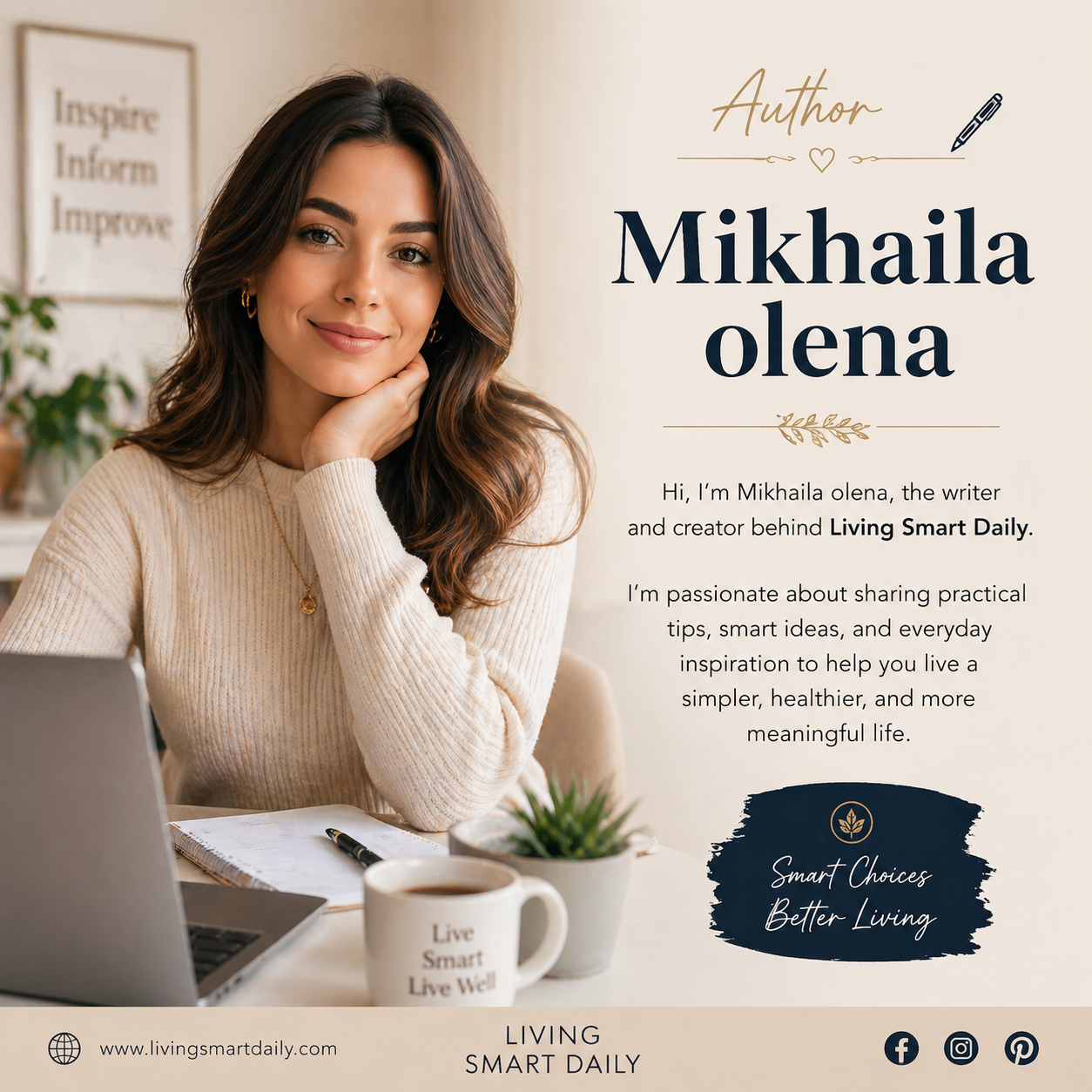
Mikhaila Olena is a lifestyle writer and content creator behind Living Smart Daily, dedicated to sharing practical ideas, thoughtful insights, and everyday inspiration. With a passion for simple living and meaningful choices, she crafts content that helps readers create a more balanced, organized, and fulfilling life.