








Point a camera at the same designer’s collection three different ways and you’ll get three completely different stories. A runway shot documents. An editorial shoot interprets. A street-style photo captures how it all lands in real life. Understanding the difference matters whether you’re a photographer choosing a specialty, a brand planning a shoot, or just someone trying to make sense of why fashion images look so different depending on where you see them.
Why Fashion Photography Isn’t One Thing
New photographers often assume “fashion photography” is a single skill set. It isn’t. A photographer who’s brilliant backstage at a runway show might struggle with a conceptual editorial shoot, and vice versa. Each style has its own technical demands, its own pacing, and its own purpose.
If you run a fashion industry gallery or blog, knowing these categories also helps you organize content in a way readers actually understand, rather than lumping everything into one generic “fashion photos” bucket.
Runway Photography
What It Is
Runway photography documents a collection exactly as the designer presented it: full looks, straight down the catwalk, usually shot from a fixed press position.
The Technical Reality
Runway photographers work fast and under pressure. Lighting is set by the venue, not the photographer, and there’s no second take. A model walks past in seconds, and that’s the shot.
- Fast shutter speeds to freeze movement
- Long lenses, since photographers are often positioned far from the runway
- Continuous shooting mode to catch the exact right stride and expression
What Makes a Good Runway Shot
The best runway photos capture the garment clearly, in focus, with the model’s full silhouette visible and a natural, unposed expression. Buyers and press use these images to evaluate the actual collection, so accuracy matters more than artistic flair here.
Editorial Photography
What It Is
Editorial photography is styled and art-directed, built around a concept, mood, or story rather than a literal record of a collection. This is where fashion photography crosses into fine art.
The Technical Reality
Unlike runway shoots, editorials are planned in advance, often over days. Lighting, location, hair, makeup, and styling are all controlled.
- Studio or location lighting, fully controlled by the photographer
- Slower pacing, with room for multiple takes and creative direction
- Heavy post-production, from color grading to retouching
What Makes a Good Editorial Shot
A strong editorial image tells a story beyond “here’s a jacket.” It might explore a mood, a cultural reference, or a color theory concept. The clothes matter, but so does everything around them: the set, the pose, and the narrative.
Street Style Photography
What It Is
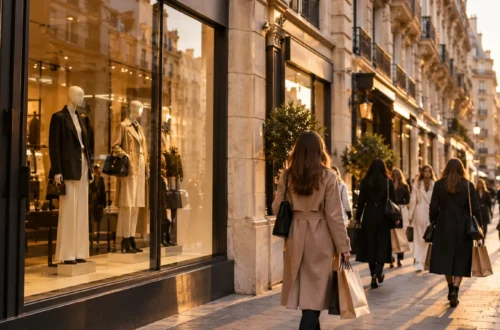
Street style captures how real people, including editors, buyers, and influencers, wear fashion outside the formal show environment. It’s typically shot outside fashion week venues.
The Technical Reality
This style sits somewhere between documentary and portrait photography. Photographers often work in fast-moving crowds, reacting to outfits in real time rather than staging anything.
- Natural light, since shoots happen outdoors
- Quick reflexes, since subjects are walking and not posing for long
- A good eye for spotting a compelling look in a crowd of hundreds
What Makes a Good Street Style Shot
The best street style photos feel spontaneous even when the subject knows they’re being photographed. They show how a trend actually gets worn, which is often more useful to everyday readers than a runway shot ever could be.
Comparing the Three Styles
| Style | Purpose | Setting | Pace |
|---|---|---|---|
| Runway | Document the collection accurately. | Fixed press position at a show | Extremely fast |
| Editorial | Tell a creative story. | Studio or planned location | Slow, controlled |
| Street style | Capture real-world wear. | Outside venues, public spaces | Fast, reactive |
Which Style Should You Focus On?
If you’re a photographer trying to specialize, ask yourself what you actually enjoy more: reacting in the moment or building a scene from scratch.
- Choose runway if you like fast-paced, high-pressure environments and want to work closely with press credentials and show organizers.
- Choose editorial if you’re drawn to creative direction, styling, and post-production.
- Choose street style if you enjoy documentary work and have a strong instinct for spotting a great look in a crowd.
Plenty of working photographers move between all three depending on the assignment, so specializing doesn’t mean closing doors permanently.

Mikhaila Olena is a lifestyle writer and content creator behind Living Smart Daily, dedicated to sharing practical ideas, thoughtful insights, and everyday inspiration. With a passion for simple living and meaningful choices, she crafts content that helps readers create a more balanced, organized, and fulfilling life.


One comment on “Fashion Photography Styles Explained: Runway, Editorial, and Street Style”