






My daughter has exactly one opinion about her hair: nobody should be touching it for more than three minutes.
She is seven. She has thick, gorgeous natural hair and the patience of someone who has somewhere very important to be — always, immediately. So when I say I have tested every children’s braids hairstyle in existence over the past five years, I mean that in the way only a parent who has been kicked in the shin mid-cornrow truly understands.
This is what I wish someone had handed me at the start. Not a list of styles that look stunning on a stock photo model sitting perfectly still for forty minutes — but actual styles that work on a real child, with a real squirm radius, and a real opinion about whether the part is too tight.
Ten styles. Honest time estimates. What goes wrong, and how to stop it.
The best children’s braid isn’t the most beautiful one. It’s the one you can finish before somebody starts crying — usually the child, sometimes you.
10 Children’s Braids Hairstyles — Quick Overview
Here is the full list at a glance, sorted by time and skill level:
| Style | Best Age | Time Needed | Skill Level |
| Classic Two Braids | 2 – 10 yrs | 10 – 15 min | ⭐ Beginner |
| Pull-Through Braid | 4 yrs+ | 12 – 15 min | ⭐ Beginner |
| French Braid Pigtails | 4 – 12 yrs | 15 – 25 min | ⭐⭐ Intermediate |
| Crown / Halo Braid | 7 yrs+ | 25 – 35 min | ⭐⭐ Intermediate |
| Box Braids | 6 yrs+ | 1 – 3 hrs | ⭐⭐ Intermediate |
| Cornrows | 3 yrs+ | 30 – 60 min | ⭐⭐⭐ Advanced |
| Side Fishtail | 6 yrs+ | 15 – 20 min | ⭐⭐ Intermediate |
| Lemonade Braids | 8 yrs+ | 1 – 2 hrs | ⭐⭐⭐ Advanced |
| Waterfall Braid | 7 yrs+ | 20 – 30 min | ⭐⭐⭐ Advanced |
| Space Buns With Braids | 3 yrs+ | 12 – 18 min | ⭐ Beginner |
Beginner Styles — Start Here
1. Classic Two Braids
Part the hair down the centre, divide into two sections, braid each one, secure at the bottom. Done in twelve minutes once you have practised. It holds through PE, lunch, and a full afternoon of running — making it the style I reach for whenever we are running late and someone cannot find their left shoe.
The difference between two neat braids and two chaotic ones is the parting. A rat tail comb and ten extra seconds of prep saves you from lopsided results that require starting over entirely.
2. Pull-Through Braid
This one looks complicated but uses only elastics — zero braiding required. Gather hair into a ponytail, split it, pull the next section through the split, repeat. The result looks like a thick rope braid and takes about twelve minutes. Fine hair that struggles to hold regular braids does beautifully here because the elastics do all the structural work.
3. Space Buns With Braids
Two high buns with braided or twisted hair wrapped around each base. Part down the centre, do a quick two-strand twist on each side, wrap around the ponytail, pin it. Fifteen minutes. Playful, low-tension, and hard to do badly — the casual look covers a lot of technical imprecision, which I consider a feature.
Intermediate Styles — Worth Learning
4. French Braid Pigtails
Two parallel French braids framing the face — start at the crown, add small sections of hair from each side as you work down. This is the style I do when I have twenty minutes and want her hair to look like I genuinely tried. It holds through everything, including swimming.
The learning curve is real. Most beginners pick up too much hair with each addition, which creates uneven thickness. Keep additions thin and consistent. The first three attempts will be rough. By the fifth, your hands will know what to do.
Helpful Note: Mist the hair lightly with water before starting. Dry hair slips out of sections more easily. A small spray bottle with a drop of leave-in conditioner is worth keeping on your styling shelf.
5. Crown / Halo Braid
A Dutch braid (cross sections under rather than over) that wraps around the head like a crown. Best for ages seven and up — you need enough hair length to go all the way around. Start small at the temple or the braid runs out of hair before reaching the other side. Beautiful for birthdays, school concerts, and family photos.
6. Box Braids
Individual braids from small square sections throughout the head — a cornerstone protective style for children with natural, coily, or kinky hair. Done properly, they protect the ends of the hair and can be left in for several weeks with light scalp moisturising. The time investment is real — one to three hours depending on hair density. But for parents managing natural hair daily, the weeks of easy mornings that follow are worth every minute.
- Never braid too tightly at the roots. You should be able to slide a finger under each braid at the scalp. Tight braids cause traction alopecia — hairline recession that does not always reverse.
- Keep the scalp moisturised throughout the weeks the style is in.
- Take the braids down gently, working from the ends up.
7. Side Fishtail Braid
Gather all hair to one side, split into two sections. Take a thin strand from the outer edge of the left section, cross it to join the right. Repeat from the other side, alternating all the way to the ends. The thinner the strands, the more intricate the result. Works especially well on shoulder-length hair and holds better than it looks like it should.
Advanced Styles — For When You Are Ready
8. Cornrows
Braids worked flat against the scalp in straight rows, running from the hairline to the nape of the neck. One of the oldest hairstyles in the world, deeply rooted in African culture, and one of the most practical styles for children with natural hair — no hair in the face, holds for days, works beautifully for active children who play sports.
The technique takes practice. You are adding hair with each pass while keeping the braid flat — a coordination that builds over three or four sessions. Give yourself an honest learning period before judging the results.
9. Lemonade Braids
Cornrows that sweep sideways across the head in one direction, finishing over the shoulder — made famous by Beyoncé’s 2016 visual album. Striking and bold. Children who normally resist sitting for hair often respond well to lemonade braids because the style feels genuinely exciting.
Patience Note: These take one to two hours. Break into two sessions with a snack in between. Forcing a child to sit for two hours straight is how you get a style that gets undone the moment you leave the room.
10. Waterfall Braid
A partial French braid where instead of adding the dropped section back into the braid, you let it fall loose — creating the effect of strands cascading down like a waterfall. Delicate and beautiful. Works best on shoulder-length hair in any texture from straight to wavy. Perfect for birthday parties, flower girl roles, and family portraits.
Quick Notes on Hair Type
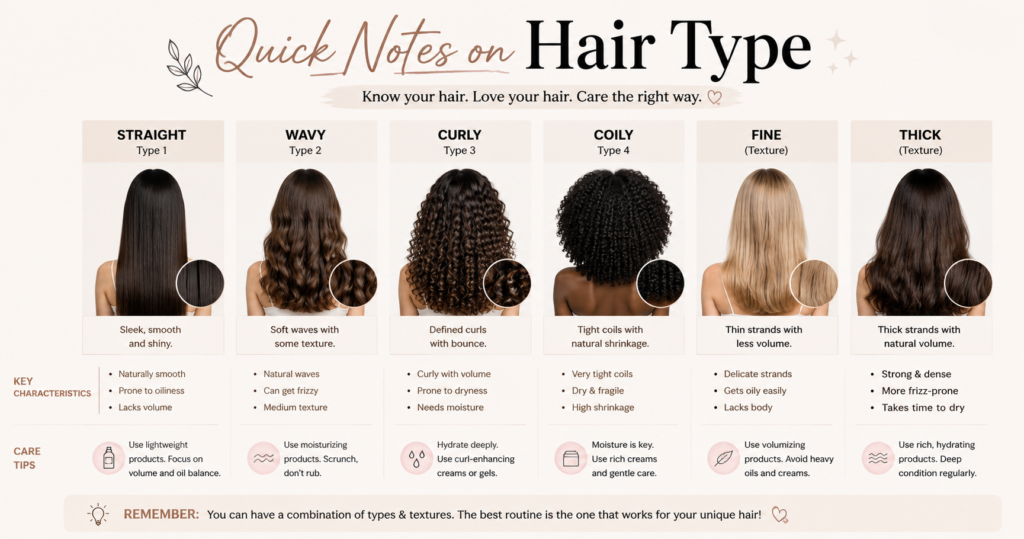
Fine hair: use a light styling cream before braiding and choose styles with elastics doing structural work — pull-through braids and two braids are your starting points.
Thick hair: detangle thoroughly before beginning, work in sections from the bottom up, and do not try to manage all the hair at once.
Natural, coily hair: never braid dry. Work with freshly washed, conditioned, lightly moisturised hair. Use a leave-in conditioner and a light oil. Dry natural hair is fragile under tension and breaks easily.
Making Hair Time Less of a Battle
Never attempt hair time when a child is tired, hungry, or already frustrated about something else. The small window after a meal, while they are reasonably content, is your best opportunity. Saturday mornings work well for most families.
A favourite show or audiobook during hair time is not a parenting failure. It is a logistics solution. My daughter sits perfectly still for thirty minutes when there is a new episode on. I use this information without guilt.
Give them some choice. What colour elastics today? Two braids or three? High buns or low? The outcome within each option is fine — the point is they have participated in the decision and are no longer fighting the whole process.
And teach them early. Children as young as six can learn simple styles — two braids, a pull-through with elastics. By ten or eleven, many children handle most of their own daily styling. This is the goal. Work toward it.
Final Thought
Children’s braids hairstyles are one of those skills that feel impossible at 7am with a wriggling child and seventeen minutes before the bus. I know this feeling specifically and in detail. But they get easier with repetition. The first French braid will not be beautiful. The third will be better. By the tenth, you will be doing it without thinking. Start with the pull-through braid or classic two braids. Get confident. Add one style at a time. Before long you will have a full repertoire — and a child whose hair looks cared for, which is all any of us are really after.

Mikhaila Olena is a lifestyle writer and content creator behind Living Smart Daily, dedicated to sharing practical ideas, thoughtful insights, and everyday inspiration. With a passion for simple living and meaningful choices, she crafts content that helps readers create a more balanced, organized, and fulfilling life.


One comment on “Children’s Braids Hairstyles: 10 Gorgeous Styles Your Kid Will Actually Sit Still For”