








Most guides on how to dress for your body type start by sorting you into a shape, then handing you a list of rules. Wear this, avoid that. It’s tidy. It’s also not how clothes actually work on a real, moving, changing body.
Here’s a more useful way to think about it: body type isn’t a box you fit into forever. It’s a starting point for understanding proportion, so you can dress in a way that feels balanced and intentional instead of accidental. Once you get the basics, you’ll stop guessing at the fitting room mirror and start shopping with a plan.
Why “Body Type” Dressing Still Works
Fashion rules get a bad reputation because they’re often framed as fixing flaws. That’s the wrong lens. The real goal is proportion: creating visual balance between your shoulders, waist, and hips so an outfit reads as put-together rather than shapeless or overwhelming.
Think of it like framing a photo. A great outfit draws the eye where you want it to go. That’s it. It has nothing to do with a body being “right” or “wrong.”
The Common Body Shapes (And Why They’re Just a Starting Point)
Most styling guides use five loose categories. You might land cleanly in one or somewhere between two, and that’s completely normal.
Pear / Triangle Hips are wider than the shoulders and bust, with a defined waist.
Apple/round weight sits mostly around the midsection, with a less defined waist and slimmer legs.
Hourglass Bust and hips are close in width, with a narrow, well-defined waist.
Rectangle shoulders, waist, and hips are fairly similar in width, with less waist definition.
Inverted triangle shoulders are broader than the hips, often with an athletic upper body.
If you’re not sure which one describes you, don’t overthink it. Look at a few outfits you already feel great in and notice what they have in common. That’s usually a faster path to your answer than any quiz.
How to Dress Each Body TypeThe hourglthis;ass bust
Pear / Triangle Shape
The goal here is to bring a little visual weight up top so your shoulders and hips feel balanced.
- Structured or embellished tops, boat necks, and statement sleeves draw the eye upward.
- A-line skirts and dresses skim the hips instead of clinging.
- Darker washes on bottoms, brighter colors or patterns on top.
- Wide-leg trousers balance fuller hips better than skinny styles.
Apple / Round Shape
The focus is usually creating a defined waistline and elongating the torso.
- Empire waistlines and wrap dresses cinch just under the bust, which does a lot of visual work.
- V-necks lengthen the neckline and draw the eye down and out.
- Structured jackets with a slight waist seam add shape without feeling tight.
- Straight or bootcut pants tend to sit better than anything clingy at the waist.
Hourglass Shape
Here, the goal is usually to keep that natural waist definition visible rather than hiding it.
- Wrap dresses and belted styles highlight the waist you already have.
- Fitted knits and tailored blazers follow your natural line.
- High-waisted bottoms keep proportions balanced top to bottom.
- Avoid boxy, shapeless cuts. They tend to erase the curve instead of working with it.
Rectangle Shape
The idea is to create the illusion of curves and a more defined waist.
- Peplum tops, ruffles, and belts add shape at the waist.
- Fit-and-flare dresses build a waistline where the outfit, not the body, does the work.
- Layering, like a cropped jacket over a dress, adds dimension.
- Textured or patterned fabrics add visual interest that a straight-up-and-down silhouette can lack.
Inverted Triangle Shape
The goal is usually to bring balance by adding a little visual weight below the waist.
- A-line and full skirts widen the lower half to match broader shoulders.
- Simple, unpadded tops keep the shoulder line from feeling exaggerated.
- Wide-leg or flared pants balance out a strong upper body.
- Details like pockets, pleats, or prints on bottoms pull the eye downward.
Rules That Work for Every Body Type
A few principles matter more than any shape category.
Fit beats size. A size 8 that fits your shoulders and skims your waist will always look better than a size 6 that pulls across the chest. Get comfortable with the idea that sizes vary wildly between brands, and that’s fine.
Tailoring changes everything. A $30 dress taken in at the waist by a good tailor will outperform an off-the-rack $300 dress that doesn’t fit. This is genuinely the most underused styling tool most people have.
Vertical lines lengthen, and horizontal lines widen. Not a hard rule, but a useful default when you’re unsure. A vertical seam, a monochrome outfit, or a long cardigan worn open all create a leaner line.
Proportion is about the whole outfit, not one piece. A fitted top can pair with a loose bottom, or the reverse, but avoid volume on volume unless that’s intentionally the look you’re going for.
Common Mistakes People Make
I’ve seen the same handful of mistakes trip people up over and over.
Buying based on the size label instead of the actual fit. Chasing trends that don’t suit your proportions just because they’re everywhere. Wearing everything one size too big out of comfort, which usually reads as shapeless rather than relaxed. And skipping tailoring entirely, even on pieces worth the investment.
None of these are really about body type. They’re about fit habits that are easy to fix once you notice them.
Building a Wardrobe Around Your Shape
You don’t need to overhaul your closet overnight. Start small.
Pick three or four staple pieces, maybe a blazer, a pair of trousers, a dress, and a jean, and get those genuinely right for your proportions. Once you know what “right” feels like on your body, shopping for everything else gets a lot faster, because you’re no longer starting from zero each time.
It also helps to keep a mental note of which brands run true to your shape. Fit varies enormously across labels, and finding two or three that consistently work for you will save you more time than any styling rule.
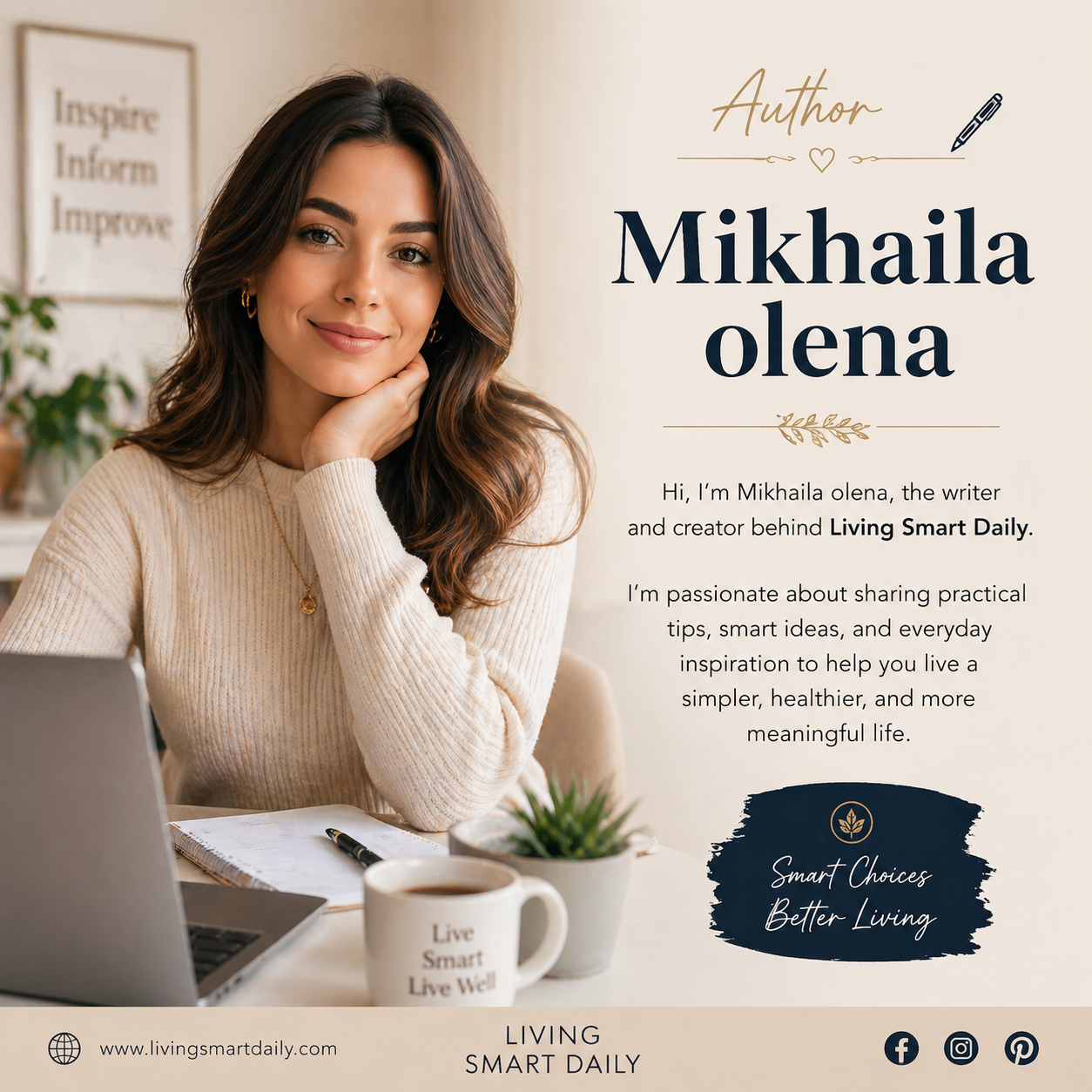
Mikhaila Olena is a lifestyle writer and content creator behind Living Smart Daily, dedicated to sharing practical ideas, thoughtful insights, and everyday inspiration. With a passion for simple living and meaningful choices, she crafts content that helps readers create a more balanced, organized, and fulfilling life.


One comment on “How to Dress for Your Body Type (Without the Guesswork)”