









Everyone asks the same question eventually: Shein or Zara? Usually it comes up right before a big event, when someone’s staring at their closet realizing they need something new and don’t want to spend a fortune.Here’s the short version. They’re not really competing for the same shopper, even though it looks that way on the surface. One is built to be worn once. The other is built to survive your closet for a few years. Once you accept that, the decision gets a lot easier.
The Money Question
Let’s get this out of the way first, because it’s what everyone actually cares about.Shein is cheap. Not “budget-friendly” cheap genuinely, sometimes uncomfortably cheap. A $12 dress. A $6 top. You can fill a cart for the price of one Zara blazer. That’s not an exaggeration; it’s basically the entire business model.Zara costs more. A blazer might run you $70-$90. A pair of trousers, $40 or so. Still not luxury pricing, but you’re clearly paying for something beyond the fabric itself.
So why does Zara survive when Shein is that much cheaper? Because price isn’t the only variable people are shopping for, even if they think it is.
Where the Money Actually Goes
Zara’s parent company, Inditex, runs a tight, mostly self-controlled supply chain. Design, manufacturing, distribution a lot of it stays in-house or close to it. That’s expensive to run, but it means Zara can go from a Milan runway sketch to a rack in your local store in a matter of weeks. Impressive, honestly.
Shein doesn’t bother with that model at all. No stores. No showroom experience. Just a sprawling, constantly shifting web of manufacturers, mostly outsourced, coordinated by software that tracks what’s trending in real time and greenlights small production runs almost instantly. If a style takes off online, they scale it up fast. If it flops, they’ve barely lost anything. That’s how they manage to drop thousands of new items a week a volume no traditional retailer comes close to matching.
Neither approach is “better” in a vacuum. They’re just optimized for completely different goals.
Quality: This Isn’t Really a Debate
I’ll be blunt this is the category where Shein loses, and most people who’ve shopped both brands will tell you the same thing.
Zara’s stuff generally holds up. The blazers, the coats, the trousers especially these are pieces people wear for years, not months. Sizing is consistent enough that you can order online without much guesswork.
Shein is a gamble every single time. Because the manufacturer behind any given item can change week to week, you might get a genuinely decent top one order and a see-through, mis-sized disaster the next even if they’re from the same “brand” page on the app. Sizing charts are more like suggestions. Most seasoned Shein shoppers already know this and shop accordingly: treat it as disposable, wear it a handful of times, don’t expect heirloom quality.
That’s not necessarily a dealbreaker. It’s just something to know going in.
Speed and Trends
Both brands move fast, but “fast” means different things to each of them.
Zara interprets trends. Someone on their design team watches the runways, picks up on what’s resonating, and turns it into a wearable, styled collection usually within a few weeks. Walking into a Zara can feel a bit like walking through a curated mini fashion show.
Shein doesn’t interpret anything. It reacts. If a top blows up on TikTok on Monday, there’s a decent chance a near-identical version is live on the app by the weekend. That’s the entire value proposition speed to the exact moment, no curation required.
If you want a wardrobe that feels put-together, Zara wins here. If you want the exact dress you saw in someone’s video three days ago, Shein wins.
The Sustainability Conversation Nobody Wants to Have
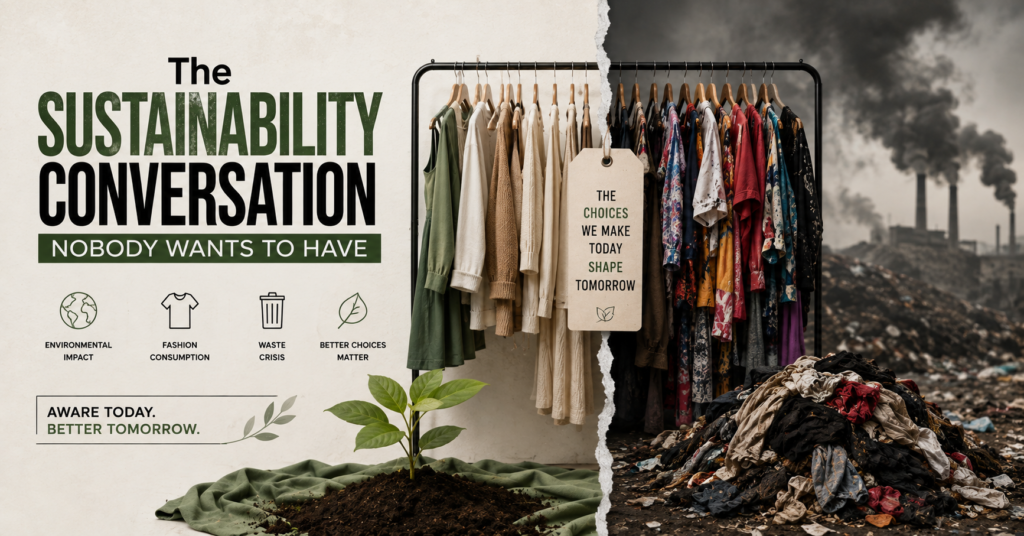
Let’s not pretend either of these companies is “sustainable.” They’re not. Both are fast fashion at scale, and fast fashion at scale has an environmental cost, full stop.
That said, there’s a real difference in how much each company is willing to show its work. Inditex has published targets around renewable energy in stores and increasing the share of more responsibly sourced fabric, and Zara runs a “Join Life” labeled line. Worth taking with a grain of salt, sure but at least there’s something to point to and hold them accountable for.
Shein has offered a lot less visibility. With output in the thousands of new items per week and a manufacturing network that’s genuinely hard to trace, the company has drawn plenty of scrutiny over waste, emissions, and labor conditions, without much transparency to counter it.If this matters to you and for a lot of people it genuinely does it’s a meaningful strike against Shein specifically, not fast fashion generally.
Actually Shopping There: Stores vs. App
Zara has physical locations in a lot of major cities, which means you can try things on, return something in five minutes at customer service, and walk out with it the same day. Its website is smaller and more curated than you’d expect — very much an extension of the in-store experience rather than a separate universe.
Shein is app-only, no storefront. Shipping is often free or nearly free, but it takes a while — don’t order for an event happening in three days. Returns mean repackaging and mailing something back, which, if you’ve ever put it off for two weeks, you know how that usually ends.
So What Should You Actually Buy Where?
Honestly? Most people I know don’t pick one exclusively they split it.Shein for the going-out top you’ll wear twice. The costume piece. The trend you’re not sure you’ll still like in six months, so you don’t want to spend Zara money finding out.Zara for the blazer you’ll wear to work for the next three years. The coat. The jeans that need to actually survive repeated washing.Neither brand is “wrong.” They’re just answering different questions. Know which question you’re actually asking before you open the app that’s really the whole trick.

Mikhaila Olena is a lifestyle writer and content creator behind Living Smart Daily, dedicated to sharing practical ideas, thoughtful insights, and everyday inspiration. With a passion for simple living and meaningful choices, she crafts content that helps readers create a more balanced, organized, and fulfilling life.




One comment on “Shein vs Zara: I Compared Both. Here’s What Actually Matters.”