









Shopping for a formal dress should feel exciting, not stressful. Yet for a lot of plus-size shoppers, it still means digging through limited size runs, guessing at fit charts, or settling for something that’s “close enough.” That’s changing. More brands now design specifically for curves rather than just grading up a straight-size pattern, and that shift makes a real difference in how a dress moves, drapes, and photographs.
This guide walks through everything worth knowing before you buy: how to pick a silhouette that works with your body, which fabrics actually hold their shape, how to dress for specific occasions, and where sizing tends to go wrong.
Why Fit Matters More Than Size Number
A dress that’s technically “your size” can still look wrong if it wasn’t designed with curves in mind. Many mainstream brands simply scale up their straight-size patterns for plus sizes, which often means the waist, bust, and hip proportions don’t shift the way a real body does. The result: gaping at the bust, pulling at the hips, or a waistline that sits in the wrong place.
Brands that design plus-size dresses from scratch, rather than extending an existing pattern, tend to fit noticeably better. If a retailer’s size chart lists separate measurements for plus sizes (not just an extrapolated chart), that’s usually a good sign they’ve put real thought into the fit.
The takeaway: don’t shop by size label alone. Check actual body measurements against the brand’s size chart every time, since sizing varies wildly between retailers.
Choosing a Silhouette That Works With Your Body
There’s no single “best” silhouette for plus-size bodies, because plus-size bodies aren’t all shaped the same way. That said, a few structural choices consistently work well:
A-line dresses skim over the hips and stomach without clinging, which makes them one of the most reliably flattering options across body types. They also work for nearly every formal occasion, from weddings to galas.
Wrap dresses cinch at a defined waistline while allowing some give through the bust and hips, which helps if your proportions shift depending on the season or time of day.
Empire waist dresses sit just under the bust and flow loosely from there, making them a strong pick if you want to minimize focus on the midsection.
Fit-and-flare dresses hug through the bodice and waist, then release into a fuller skirt. They create definition at the waist while still giving room to move.
If you’re unsure where to start, an A-line or wrap dress is usually the safest bet for a first formal purchase, since both adapt well to different body shapes and dress codes.
Fabric Matters as Much as Cut
A well-cut dress in the wrong fabric can still look off. A few fabric notes worth knowing:
- Structured fabrics like scuba knit, crepe, or ponte hold their shape and smooth over the body without clinging in unflattering ways.
- Stretch fabrics with 4-5% spandex or elastane content move with you and reduce the risk of pulling across the bust or hips.
- Lightweight chiffon or tulle works beautifully for skirts and overlays but should usually be paired with a fitted, structured lining underneath, or it can add bulk in the wrong places.
- Heavy, stiff fabrics with no stretch are the most likely to gap, pull, or restrict movement, so check for fabric content before buying anything without give.
If you’re buying online and can’t touch the fabric first, read the product description closely. “Woven, no stretch” and “stretch knit” behave very differently on the body.
Dressing for Specific Occasions
Wedding Guest
Wedding dress codes vary widely, so check the invitation for cues like “cocktail attire” or “black tie optional.” Midi and maxi lengths in a wrap or A-line cut work for most wedding guest situations. Avoid anything that could be mistaken for bridal white or cream, and steer clear of overly casual fabrics like jersey knit unless the wedding is explicitly casual.
Prom or Formal Dance
This is where fit-and-flare or ballgown silhouettes shine, especially with built-in structure like boning or a lined bodice for support. Look for adjustable straps and a defined waist seam, since these details help a dress stay put through a night of dancing.
Black-Tie or Gala
Floor-length gowns in structured fabric are the standard here. A column or mermaid silhouette works if you want a sleek line, while an A-line ballgown gives more room to move and is often more comfortable for a long event.
Mother of the Bride or Groom
Knee-length or tea-length dresses in a structured fabric, paired with a coordinating jacket or wrap, tend to work well for this role. Look for sleeve options if you want more coverage, since many formal dress lines now offer the same silhouette in sleeveless, cap-sleeve, and long-sleeve versions.
Common Sizing Mistakes to Avoid
Buying based on your usual size instead of measurements. Sizing is not standardized across brands, and plus-size ranges vary even more than straight sizes. Always check the brand’s specific size chart.
Ignoring the “grade rule”: Ask (or check the brand’s About page) whether their plus-size line was pattern-drafted separately or scaled up from straight sizes. Separately drafted patterns almost always fit better through the bust, waist, and hip ratio.
Skipping the return policy. Formal dresses are one of the highest-return categories in online shopping, partly because fit is so hard to judge from a photo. Buy from retailers with a clear, free return policy whenever possible, especially for a first order from a new brand.
Overlooking length. Plus-size dress lines don’t always offer petite or tall options, so check the listed length against your height before buying, particularly for floor-length gowns.
A Simple Pre-Purchase Checklist
- Compare your actual bust, waist, and hip measurements to the brand’s specific plus-size chart
- Check the fabric content for stretch percentage
- Read a handful of customer reviews mentioning fit, not just style
- Confirm the return window before you buy
- Double-check the dress length against your height, especially for maxi and gown styles
- Look for adjustable features like straps, ties, or corset backs, which add flexibility if your measurements fall between sizes
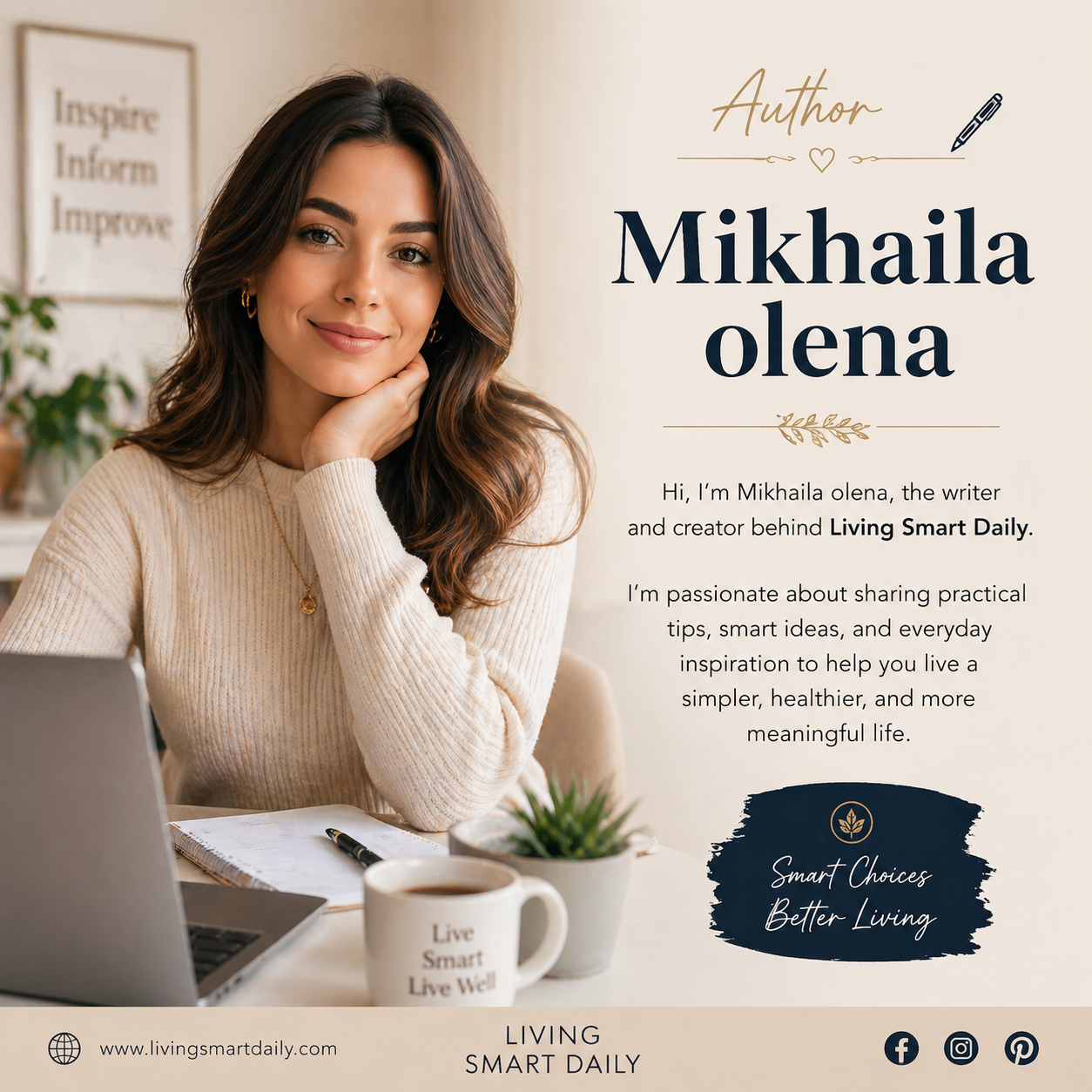
Mikhaila Olena is a lifestyle writer and content creator behind Living Smart Daily, dedicated to sharing practical ideas, thoughtful insights, and everyday inspiration. With a passion for simple living and meaningful choices, she crafts content that helps readers create a more balanced, organized, and fulfilling life.


qsmqqjkmngqpzgzhqtfweizqhseeqq