





FDA Recall Classes Explained: Class I vs. II vs. III
Every time a product gets recalled, you’ll see a small detail buried in the announcement: “Class I,” “Class II,” or “Class III.” Most news coverage doesn’t explain what that actually means, so people end up treating a minor labeling mistake with the same alarm as a listeria outbreak. Here’s what each class actually signals, straight from how the FDA defines them.
What an FDA Recall Class Actually Measures
The classification isn’t about how many products were affected or how big the company is. It’s strictly about health risk severity. The FDA assigns a class after reviewing the specific hazard involved, and that number tells you how seriously to take the situation.
One thing worth knowing upfront: the classification usually isn’t announced the same day as the recall itself. Companies typically issue the recall first, and the FDA assigns the official class a few weeks later once its review is complete. So if you see a recall notice without a class attached yet, that’s normal, not a red flag.
Class I: Serious or Life-Threatening
This is the highest severity level. A Class I recall means there’s a reasonable chance that using or eating the product could cause serious adverse health consequences or death.
What typically triggers a Class I recall:
- Pathogen contamination like Listeria, Salmonella, or E. coli in ready-to-eat foods
- Undeclared major allergens (peanuts, tree nuts, milk, eggs, shellfish) in a product that doesn’t list them
- Foreign material that poses a choking or injury hazard
- Contaminated infant formula
What to do: Stop using the product immediately, don’t taste it “just to check,” and follow the disposal or return instructions exactly as written in the notice. If you’ve already consumed it and are experiencing symptoms, contact a healthcare provider.
Class II: Temporary or Reversible Health Consequences
A Class II recall covers situations where the product might cause temporary or medically reversible health effects, or where the risk of serious harm is remote.
What typically triggers a Class II recall:
- Undeclared minor allergens or ingredients that could cause mild reactions in sensitive individuals
- Manufacturing defects that don’t pose a direct pathogen risk but violate safety standards
- Products with the wrong label or incorrect nutritional information tied to a health condition (for example, a mislabeled sugar-free product)
What to do: Stop using the product and follow the notice’s instructions, but this isn’t typically an emergency situation. Most people won’t experience lasting harm, though anyone in a specifically at-risk group (allergy sufferers, for instance) should treat it seriously.
Class III: Unlikely to Cause Adverse Health Consequences
This is the category most people overreact to, because the word “recall” alone sounds alarming. A Class III recall means the product violates FDA regulations but isn’t likely to cause any health problems at all.
What typically triggers a Class III recall:
- Packaging defects that don’t involve contamination, like inconsistent sealant application
- Minor labeling errors that don’t affect safety (wrong weight printed, formatting issues)
- Cosmetic or quality issues unrelated to consumption risk
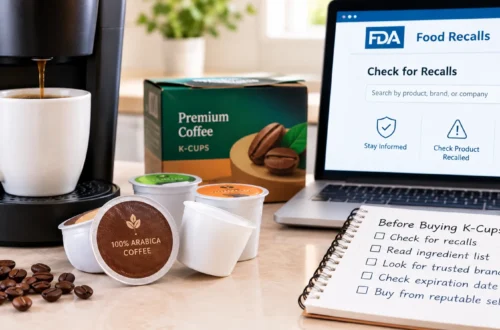
A recent example: when New Mexico Piñon Coffee recalled a batch of its Dark Piñon Single Serve Cups over an inconsistent lid sealant that could let ink bleed into the brewed coffee, the FDA classified it Class III. The company received zero reports of illness, and the ink itself was already food-safe; the defect was about manufacturing consistency, not contamination.
What to do: Follow the return/refund instructions if you want to, but there’s no urgent health action required.
Quick Comparison
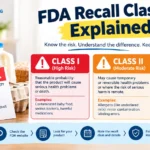
| Class | Risk Level | Example Trigger | Urgency |
|---|---|---|---|
| Class I | Serious or life-threatening | Pathogen contamination, undeclared major allergen | Act immediately. |
| Class II | Temporary or reversible | Minor allergen issue, manufacturing defect | Act promptly |
| Class III | Unlikely to cause harm | Packaging or labeling defect | Low urgency |
Why This Distinction Matters for You
Not every recall deserves the same reaction. Treating a Class III packaging defect with the same urgency as a Class I Listeria outbreak leads to unnecessary panic, while ignoring a Class I recall because “recalls happen all the time” is genuinely risky. Checking the class, not just the headline, is the fastest way to know how seriously to take any specific notice.

Mikhaila Olena is a lifestyle writer and content creator behind Living Smart Daily, dedicated to sharing practical ideas, thoughtful insights, and everyday inspiration. With a passion for simple living and meaningful choices, she crafts content that helps readers create a more balanced, organized, and fulfilling life.


2 Comments on “FDA Recall Classes Explained”