

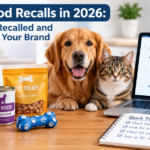


Pet food recalls don’t get the same news coverage that human food recalls do, which means a lot of pet owners never hear about them until something’s already gone wrong. Here’s what’s actually been recalled in 2026, why, and how to check whether your dog or cat’s food is on the list.
Why Pet Food Recalls Happen More Often Than People Realize
Unlike human packaged food, a large share of pet food recalls trace back to raw or freeze-dried products. Raw diets skip the cooking step that would normally kill bacteria like Salmonella and Listeria, which is exactly why they show up disproportionately in recall data. That doesn’t mean raw feeding is inherently unsafe, but it does mean the margin for manufacturing error is smaller.
What’s Been Recalled in 2026 So Far
Albright’s Raw Pet Food — Chicken Recipe for Dogs (Salmonella)
Posted May 7, 2026. Albright’s Raw Pet Food, based in Fort Wayne, Indiana, voluntarily recalled one lot of its Chicken Recipe for Dogs out of caution after Salmonella was detected. As with most raw-diet recalls, the risk isn’t limited to pets; anyone handling the product can also be exposed, especially children or anyone with a weakened immune system.
Elite Treats Chicken Chips for Dogs (Salmonella)
Posted February 24, 2026. Elite Treats, LLC of Boca Raton, Florida, recalled a single lot of its 6-ounce Chicken Chips dog treats due to possible Salmonella contamination.
Raaw Energy Dog Food (Bacteria Advisory)
The FDA issued a do-not-feed advisory on Raaw Energy Dog Food starting January 23, 2026, warning of harmful bacteria contamination, with an updated advisory posted May 25, 2026. It’s worth noting this started as an FDA advisory rather than a company-issued recall, which still means the same thing in practice: stop feeding it.
Go Raw LLC — Quest Cat Food Chicken Recipe (Low Thiamine)
Originally recalled February 17, 2026, then expanded to include two additional lots. This one is a different kind of risk than contamination: low thiamine (vitamin B1) levels in cat food can cause serious neurological symptoms in cats over time, since thiamine deficiency affects cats faster and more severely than dogs. If your cat has been eating this product and shows unusual lethargy, loss of appetite, or wobbliness, contact your vet.
Revival Animal Health—Breeder’s Edge and Shelter’s Choice Canine Milk Replacers
Revival Animal Health of Orange City, Iowa, recalled its Breeder’s Edge Foster Care Canine and Shelter’s Choice Canine milk replacers due to variable composition, meaning the nutrient balance wasn’t consistent from batch to batch. This one matters most for breeders and shelters raising very young puppies, where nutritional consistency is critical.
Gold Star Distribution — Broad FDA-Regulated Product Recall
This recall is unusual because it isn’t specific to one pet food brand. Gold Star Distribution’s facility was found to have insanitary storage conditions, and the resulting recall covers a wide range of FDA-regulated products stored there, including pet food, human food, drugs, and supplements. If you’re checking whether your pet’s food is involved, you’ll need to review the FDA’s full product list rather than searching by a single brand name.
How to Tell If Your Pet’s Food Is Affected
The process is nearly identical to checking a human food recall, and the same lot-code logic applies:
- Find the lot number and best-by date on the bag, can, or package, usually printed on the bottom or back seam.
- Check the FDA’s Animal & Veterinary recalls page, or the AVMA’s recall and alerts search, using the brand name.
- Compare your exact lot code, not just the flavor or product line, against what’s listed in the notice.
- If it matches, stop feeding it immediately and contact the manufacturer for a refund or replacement.
For a deeper walkthrough of this process (it works the same way whether you’re checking a bag of dog food or a box of human cereal), see our guide on how to check if a product has been recalled.
Warning Signs If Your Pet Already Ate Recalled Food
Even if you didn’t catch the recall in time, knowing the symptoms helps you act faster:
- Salmonella or Listeria exposure: vomiting, diarrhea (sometimes bloody), fever, lethargy, loss of appetite
- Low thiamine (cats especially): wobbly walking, dilated pupils, seizures in advanced cases, general weakness
- Bacterial contamination generally: sudden changes in energy, appetite, or bathroom habits that don’t match your pet’s normal pattern
If you notice any of these after learning your pet’s food was recalled, call your vet rather than waiting to see if it passes on its own.
Should You Avoid Raw Pet Food Entirely?
Not necessarily, but it’s worth going in with clear eyes. Raw and freeze-dried diets make up a disproportionate share of 2026’s recalls specifically because they skip a cooking step that would otherwise kill most bacterial contamination. If you feed raw, look for brands that use High Pressure Processing (HPP) or similar pathogen-reduction steps, and treat lot-code checking as a regular habit rather than something you only do after a scary headline.

Mikhaila Olena is a lifestyle writer and content creator behind Living Smart Daily, dedicated to sharing practical ideas, thoughtful insights, and everyday inspiration. With a passion for simple living and meaningful choices, she crafts content that helps readers create a more balanced, organized, and fulfilling life.


One comment on “Pet Food Recalls in 2026: What’s Been Recalled and How to Check Your Brand”