
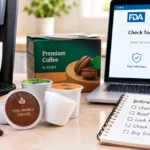


Recalls like the one involving New Mexico Piñon Coffee’s Dark Piñon Single Serve Cups tend to make people suddenly suspicious of every K-Cup in their cabinet. That reaction is understandable, but most single-serve coffee is perfectly safe. The real question isn’t “Are K-Cups dangerous?” It’s “What should I actually be checking before I buy or brew?” Here’s a practical breakdown.
The Packaging Material Matters More Than the Coffee
Most safety concerns with single-serve pods trace back to the cup itself, not the ground coffee inside it. A few things worth knowing:
- BPA-free labeling. Most major brands moved away from BPA-containing plastics years ago, but it’s still worth checking the packaging or brand’s website if you’re specifically avoiding it.
- Sealant and lid printing. This is exactly what caused the Piñon Coffee recall: an inconsistent clear coat over printed ink on the lid let that ink bleed into the coffee under the heat and pressure of brewing. It’s a manufacturing quality issue, not something inherent to K-Cups as a format.
- Recyclable vs. non-recyclable pods. Not a safety issue directly, but worth knowing if you’re choosing between brands for other reasons.
Storage Conditions Affect Safety More Than Most People Realize
Ground coffee in a sealed pod is fairly stable, but a few storage habits actually matter:
- Keep pods in a cool, dry place. Heat and humidity can degrade both the coffee and the pod’s seal over time.
- Check the best-by date before brewing, especially if you buy in bulk or stockpile during sales. A pod past its best-by date isn’t necessarily dangerous, but flavor and freshness drop off, and any packaging defect becomes more likely to show up.
- Don’t reuse single-serve pods designed for one brew. Reusable pod inserts are a different product category with their own cleaning requirements.
What Actually Gets Coffee Products Recalled
Looking at recent coffee-related recalls gives a useful pattern. The common triggers are
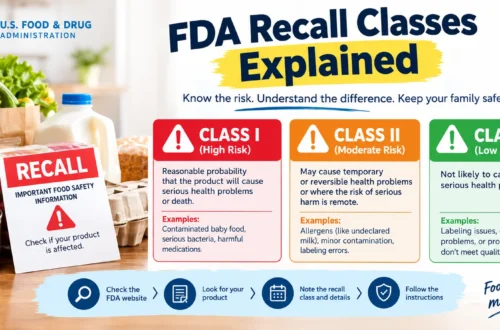
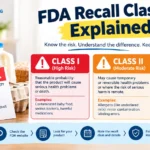
- Packaging defects—like the ink-bleed issue with Piñon Coffee, usually low health risk (Class III)
- Undeclared allergens—cross-contamination with nuts or dairy in flavored coffee lines, typically Class I or II depending on severity
- Mold or contamination—rare, but possible in products stored improperly before reaching shelves
- Foreign material—plastic or metal fragments from manufacturing equipment
Notice that pure coffee contamination (the actual beans or grounds themselves) is the least common cause. Packaging and labeling issues are far more frequent than anything wrong with the coffee.
Questions to Ask Before You Buy
If you want a simple mental checklist before grabbing a box off the shelf:
- Is this brand transparent about where it’s manufactured and roasted?
- Does the packaging clearly show a lot code and best-by date? (Brands that skip this make it harder to check for recalls later.)
- Has this brand had recent recalls, and if so, what class were they?
- If you have specific allergies, does the label clearly separate flavored lines from plain coffee?
Should You Be Worried About K-Cups in General
No. Single-serve coffee pods go through the same FDA oversight as any other packaged food product, and the recall rate for coffee specifically is low compared to categories like produce or deli meat. The Piñon Coffee situation, for example, affected roughly 154 boxes out of a company that processes over a million pounds of coffee annually, and it was resolved with zero reported illnesses. That’s a manufacturing hiccup, not a signal that the format itself is unsafe.
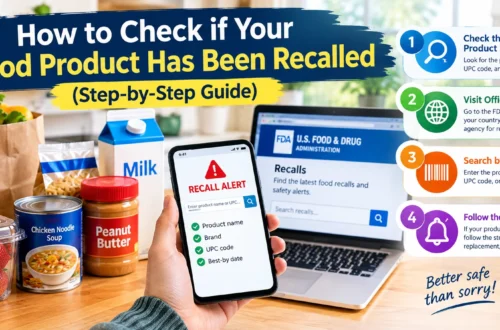
The bigger practical risk with any packaged coffee, pods or otherwise, comes down to basic habits: checking dates, storing it properly, and knowing how to look up a recall if you hear about one. Format isn’t the issue; attentiveness is.

Mikhaila Olena is a lifestyle writer and content creator behind Living Smart Daily, dedicated to sharing practical ideas, thoughtful insights, and everyday inspiration. With a passion for simple living and meaningful choices, she crafts content that helps readers create a more balanced, organized, and fulfilling life.