Here’s a strange fact about vitamin D: it’s technically not even a vitamin. It behaves more like a hormone, and your body can make its own supply for free just by standing in the sun. And yet somehow, most of us still don’t have enough of it. Not a small percentage, either. Researchers estimate subclinical deficiency affects up to a billion people worldwide, cutting across both wealthy and developing nations alike . So if you’ve been dragging lately, it’s worth asking whether this is the missing piece.
Why Your Body Actually Needs It
Vitamin D’s main job is calcium management. It’s what allows your gut to actually absorb the calcium you eat, which is the whole reason it’s tied so closely to bone strength . Skip enough of it for long enough, and the consequences show up in your skeleton first rickets in kids, and in adults, a softening of the bones called osteomalacia . Even before it gets that serious, low-grade deficiency is linked to weaker bones, more falls, and a higher risk of fractures, especially as people age .
There’s also research into vitamin D and things outside the skeleton entirely respiratory infections, asthma flare-ups, pregnancy complications. Scientists aren’t fully settled on how strong those connections are, but the interest is there for a reason .
Where It Actually Comes From
Three sources, and they’re not equal.
Sunlight does the heavy lifting. Your skin makes vitamin D on its own when it’s exposed to UVB rays no food required. Somewhere between 5 and 30 minutes of unprotected sun on your face, arms, and legs is generally enough, though the exact number shifts depending on your skin tone, the season, and how close you live to the equator . The catch is obvious: too much unprotected sun raises your skin cancer risk, so this isn’t a “more is better” situation .
Food barely moves the needle by comparison. Genuinely rich sources are limited to a short list fatty fish like salmon, mackerel, tuna, sardines, and trout; beef liver; egg yolks; and cod liver oil . Everything else milk, orange juice, cereal only has vitamin D because it’s been added in during processing. Plants don’t naturally contain any at all . One Italian study found the average adult was getting somewhere around 200–250 IU a day from food alone well under a third of what’s recommended, and even lower for anyone eating vegetarian or vegan .
Supplements fill the gap for most people, especially in winter or if you live somewhere the sun simply isn’t strong enough for months at a time.
How Much Do You Actually Need?
This is where the numbers get a little murky, because different health bodies land in slightly different places. The general range most sources agree on:
- Adults under 65: roughly 600–800 IU per day .
- Adults 65 and older: 800–1,000 IU per day, partly because absorption gets less efficient with age .
- Formula-fed infants under 32 oz/day, or breastfed babies: 400 IU/day starting shortly after birth .
For most healthy adults, doctors generally advise staying under 4,000 IU a day combined from food, drinks, and supplements — the recognized safe upper limit unless a provider has specifically told you otherwise . Going meaningfully over that isn’t just unnecessary, it’s genuinely risky: too much vitamin D lets calcium build up in the blood, which can bring on nausea, vomiting, weakness, frequent urination, kidney stones, and bone pain . More is not automatically better here — it’s one of the few vitamins where overdoing it has real consequences.
Signs You Might Be Low
Deficiency doesn’t always announce itself loudly. It’s easy to write the symptoms off as “just tired” or “getting older.” The only way to actually know is a blood test your doctor can check your levels directly and tell you whether a supplement makes sense .
Some groups face higher odds of running low, including people who are institutionalized or spend long stretches in the hospital, simply because they get so little sun exposure . Consistent sunscreen users fall into this category too sunscreen does exactly what it’s designed to do, which unfortunately includes blocking the UVB rays your skin needs to make vitamin D .
There’s also a lesser-known link worth mentioning: some research has connected vitamin D deficiency to worsened psychiatric symptoms, particularly in patients with limited sun exposure, with several health authorities now recommending regular screening for at-risk inpatient groups . It’s not a reason to self-diagnose a mood issue as a vitamin problem but it’s one more reason not to ignore chronically low energy or low mood without ruling this out.
A Word on Medication Interactions
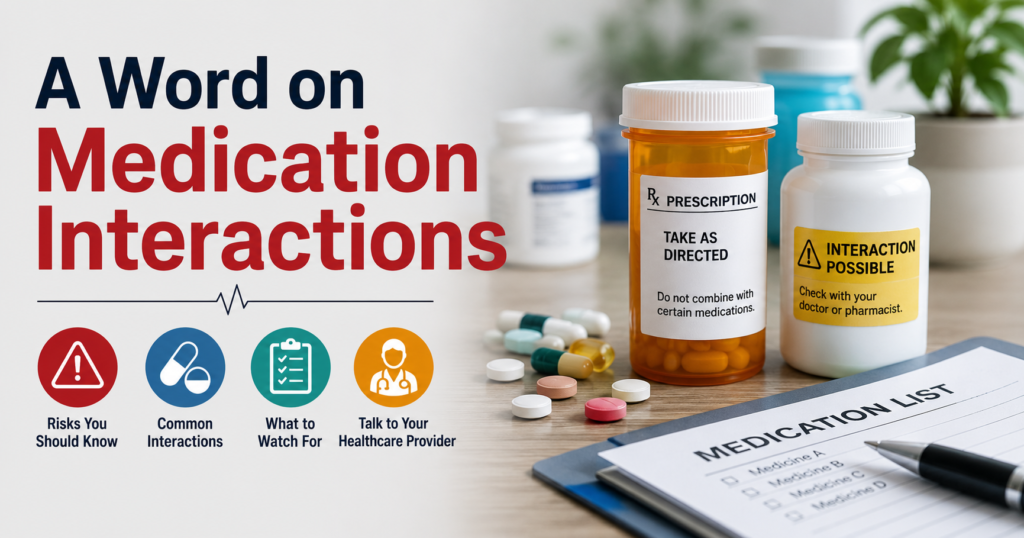
If you’re on certain prescriptions, vitamin D supplements aren’t entirely hands-off. A few worth flagging:
- Orlistat (a weight-loss medication) can reduce how much vitamin D your body absorbs from both food and supplements .
- Statins — atorvastatin, lovastatin, simvastatin — may work less effectively if you’re also taking high-dose vitamin D .
- Steroids like prednisone can lower your vitamin D levels over time .
- Thiazide diuretics combined with vitamin D supplements can push blood calcium too high .
None of this means avoid the vitamin — it means mention it to your doctor or pharmacist before starting a new supplement, especially at higher doses.
The Bottom Line
Vitamin D is one of the few nutrients where deficiency is genuinely common, easy to test for, and straightforward to fix — sun, a handful of specific foods, or a modest daily supplement usually does it. The real risk isn’t the deficiency itself so much as ignoring it because the symptoms feel vague. If you’re constantly tired, achy, or catching every bug going around, a simple blood test settles the question either way.

Mikhaila Olena is a lifestyle writer and content creator behind Living Smart Daily, dedicated to sharing practical ideas, thoughtful insights, and everyday inspiration. With a passion for simple living and meaningful choices, she crafts content that helps readers create a more balanced, organized, and fulfilling life.